
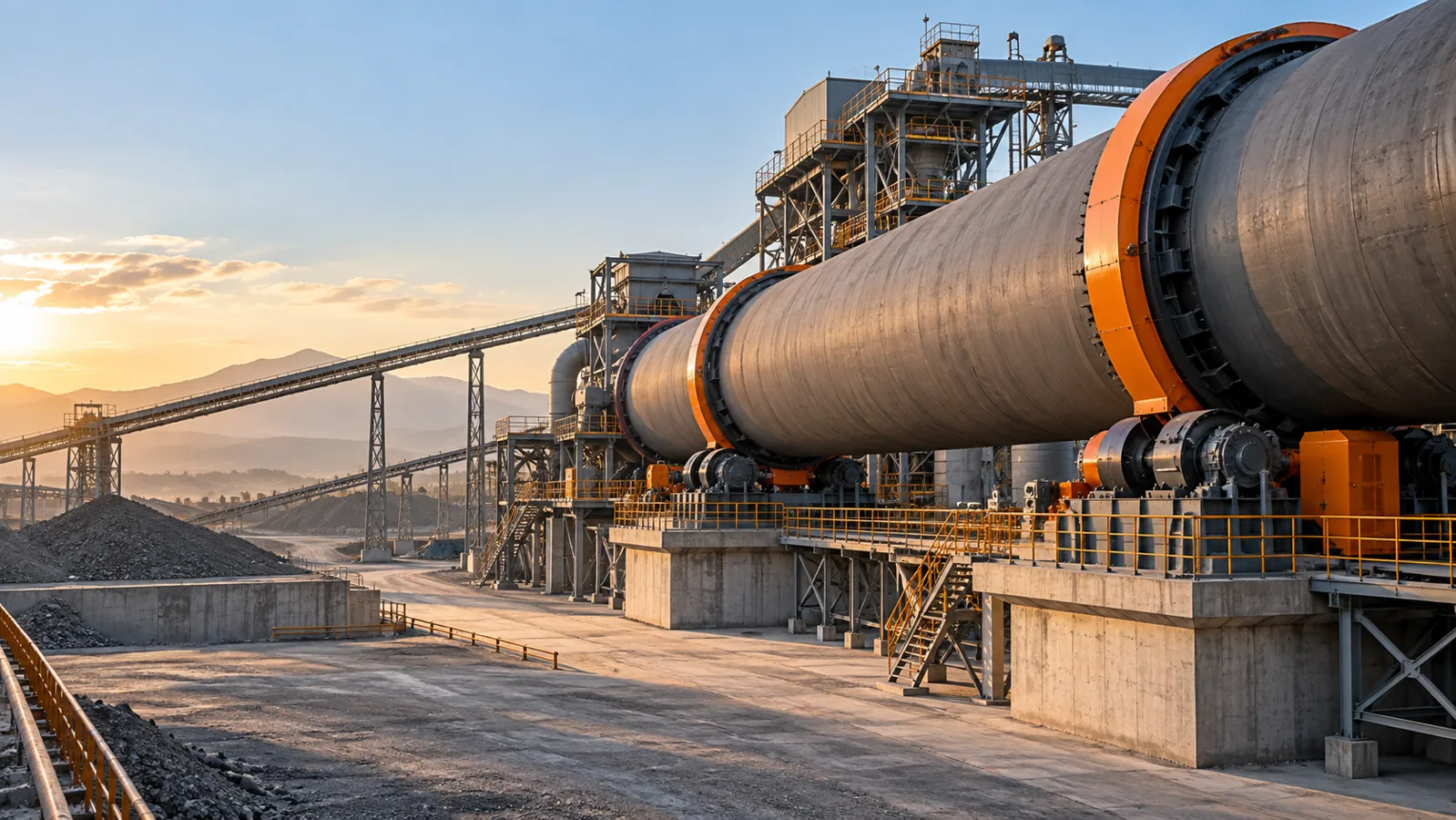
Calcining & Drying
Rotary kilns and dryers specified around material and thermal duty.
Request a recommendationDefine the thermal duty before the machine
A rotary kiln applies controlled heat for calcination or other thermal processing. A rotary dryer removes moisture from bulk solids. Material behavior, residence time, target temperature or final moisture and fuel conditions shape the equipment and supporting system.
Explore calcining & drying
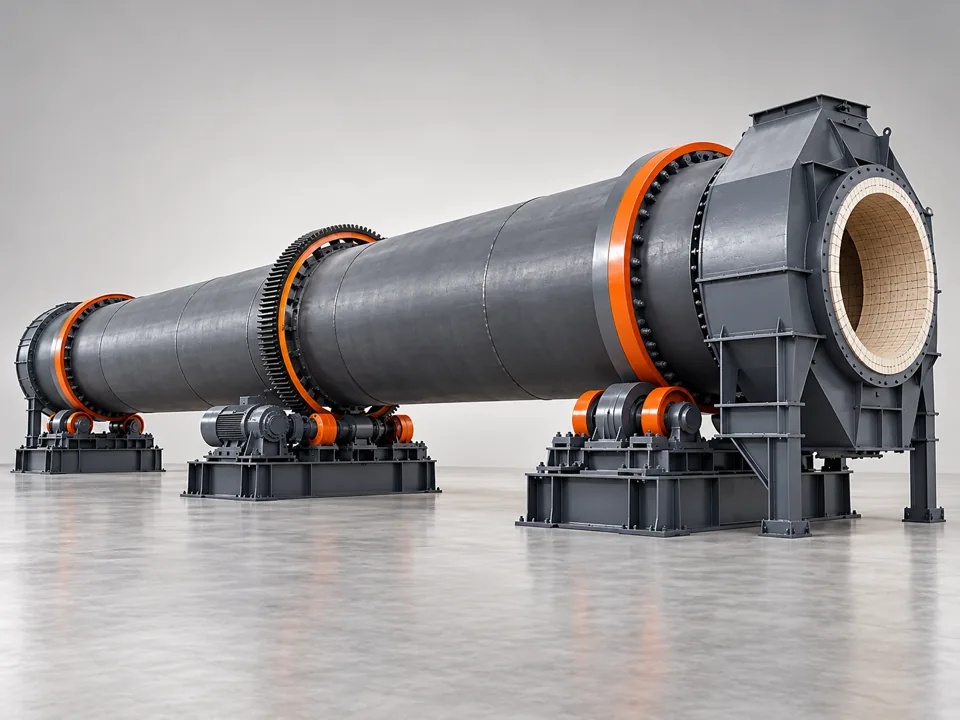
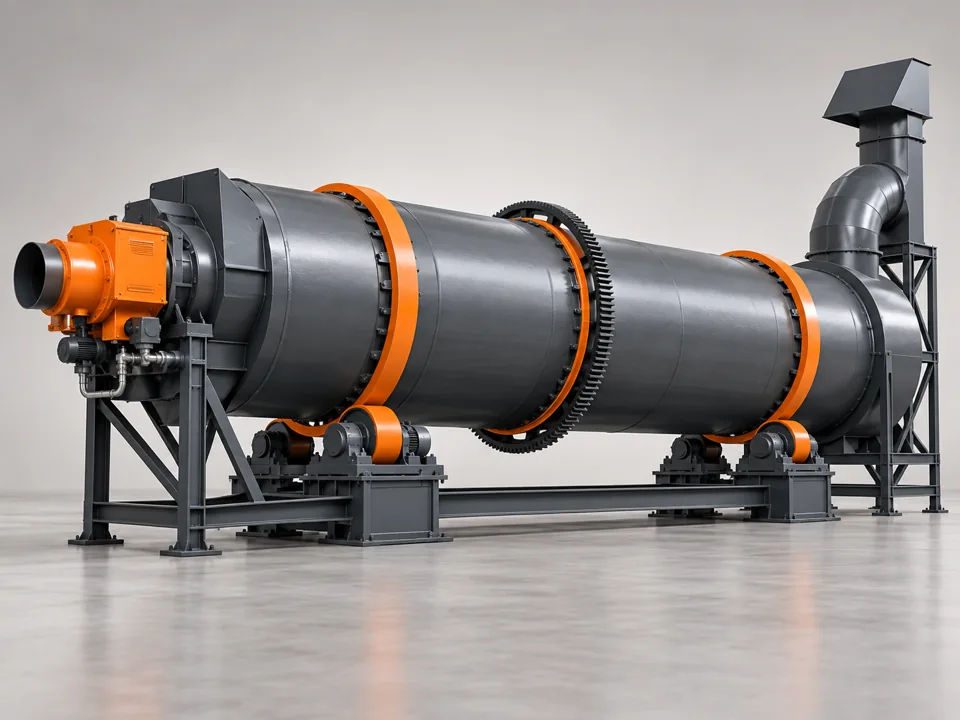
What to share for this equipment
These details help us review the full process rather than a machine in isolation.
- Material type, incoming moisture and handling behavior
- Target temperature or final moisture and required throughput
- Fuel, emissions requirements and installation conditions
Calcining & Drying FAQs
What is the difference between a rotary kiln and a rotary dryer?
A kiln performs a thermal process at the required temperature; a dryer primarily reduces material moisture. The duty determines the equipment and supporting system.
Can I request a guaranteed outlet moisture or temperature?
Share the feed properties and target first. Performance commitments, if applicable, belong in the agreed technical and commercial documents.
What should I provide for a thermal equipment proposal?
Send material analysis, moisture or temperature targets, throughput, fuel and site conditions.
Can auxiliary systems be included in the proposal?
Yes. Fuel, dust control, feed and discharge handling can be reviewed with the kiln or dryer after the process duty and supply boundary are agreed.
Request a calcining & drying recommendation
Share material analysis, feed moisture, target outlet moisture or process temperature, fuel and throughput. We will review a suitable configuration with you. Quotations and payment are handled offline.
- Material and maximum feed size
- Target capacity and output sizes
- Project country and delivery scope