
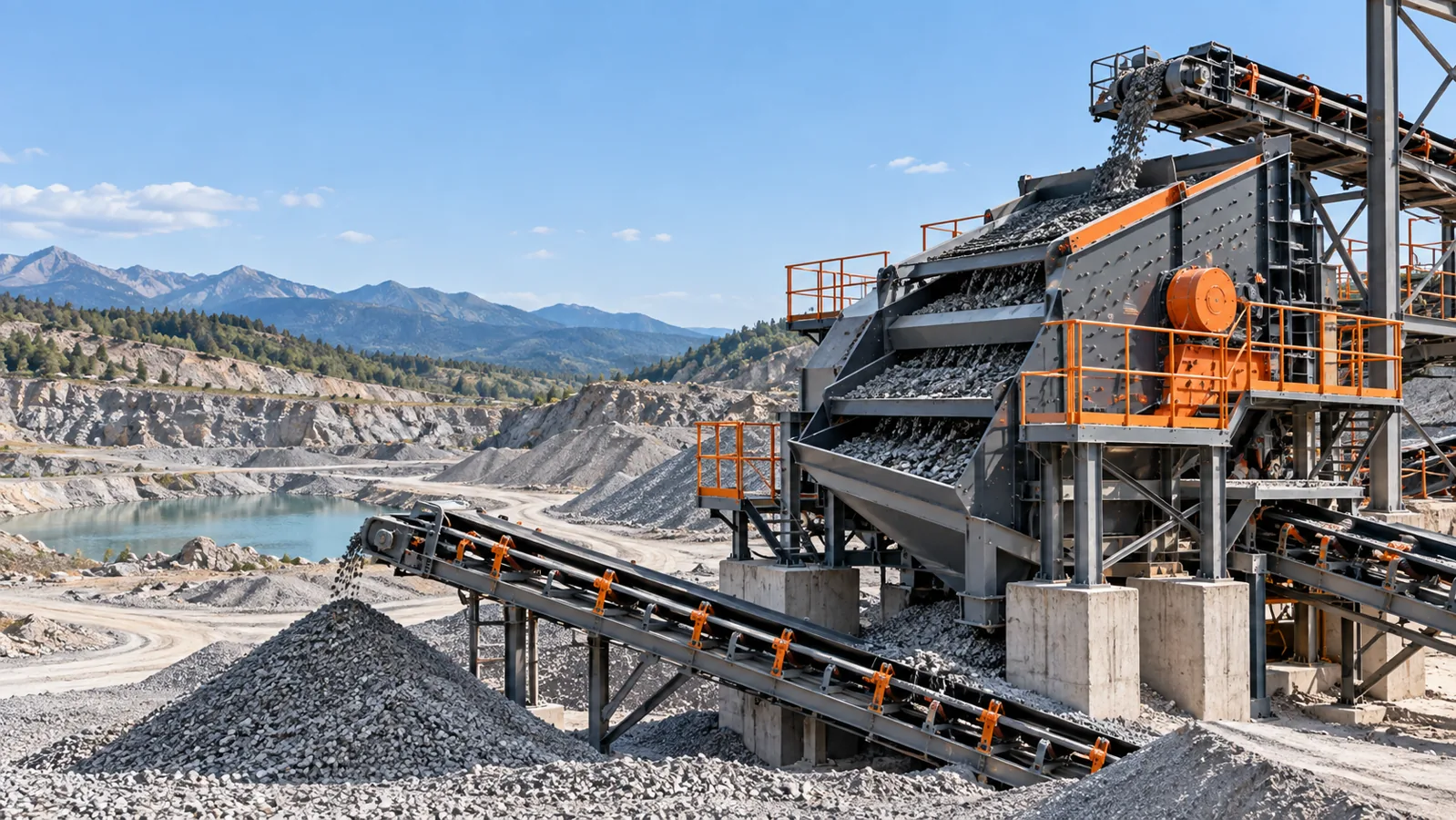
Screening, Feeding & Conveying
Control feed flow, separate product sizes and transfer material through the plant.
Request a recommendationKeep material moving at the right rate
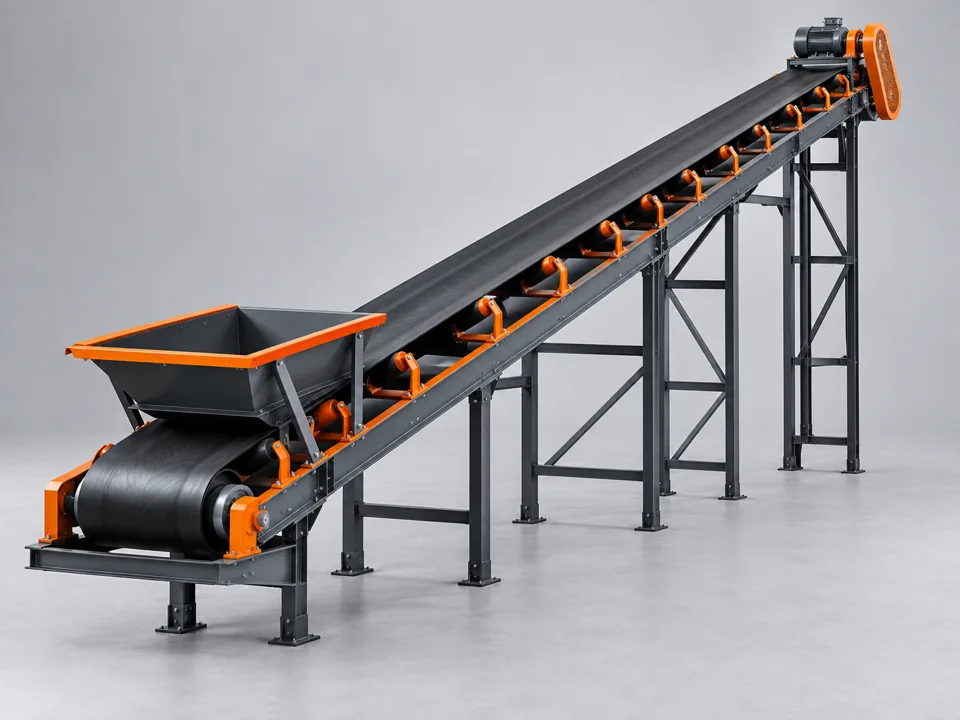
A feeder stabilizes delivery into the crusher, while scalping removes unsuitable or undersize material ahead of the next stage. Vibrating screens split the final product into grades, and conveyors connect each stage to the appropriate stockpile or return route.
Explore screening, feeding & conveying
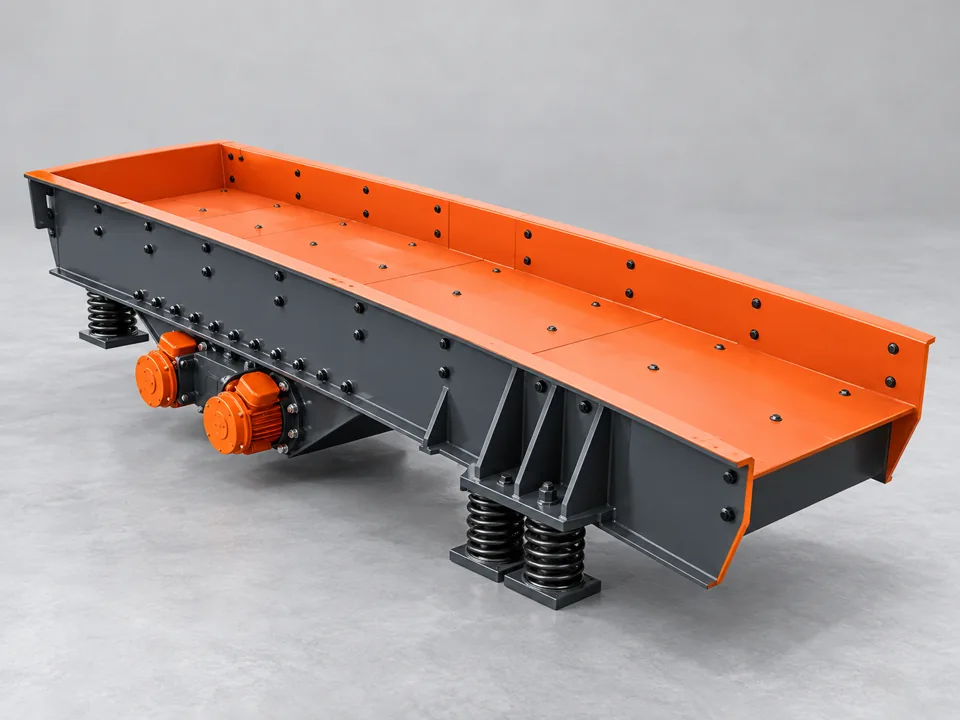
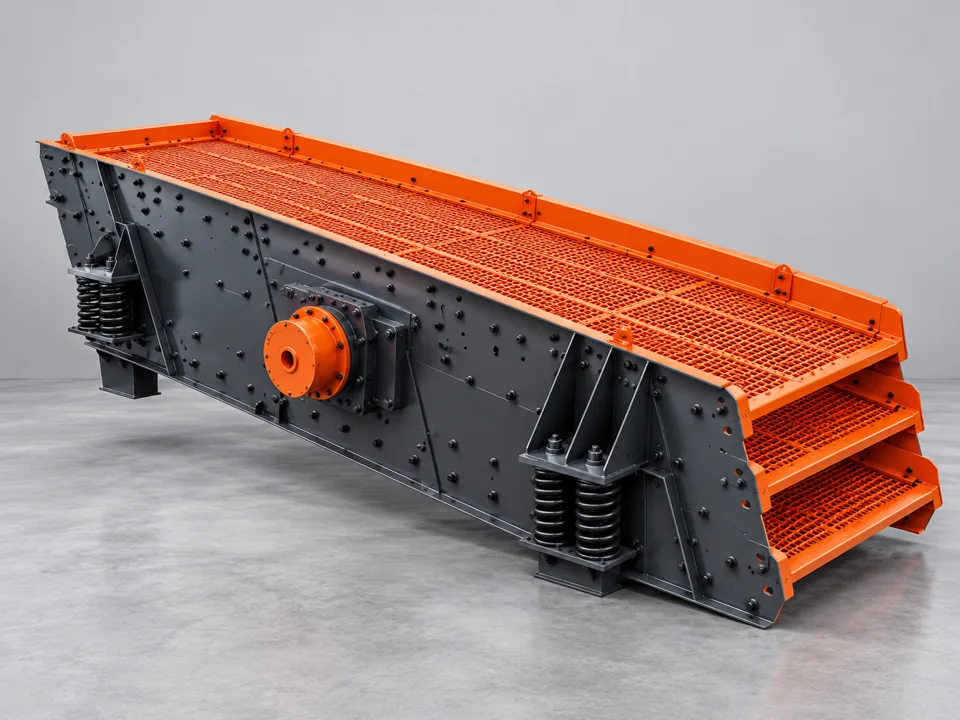
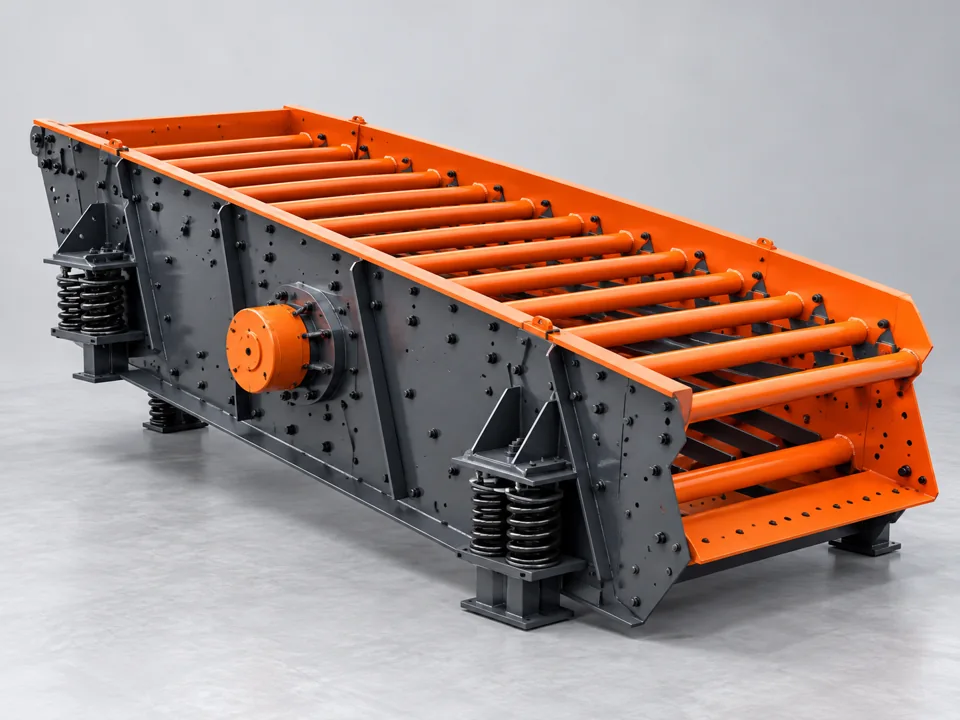
What to share for this equipment
These details help us review the full process rather than a machine in isolation.
- Feed grading, moisture and expected feed rate
- Screen cut sizes, product grades and oversize return
- Conveyor length, elevation and site layout
Screening, Feeding & Conveying FAQs
What is the difference between a scalping screen and a final screen?
Scalping removes fines or troublesome material before a crusher. A final screen separates processed material into the required saleable fractions.
How do I size a vibrating feeder?
Start with the feed opening, largest lump, required throughput and hopper arrangement. The feeder and crusher should be assessed together.
How does wet or clay-rich feed affect screening?
Moisture and clay can blind screen apertures and reduce separation efficiency. Share feed samples or grading data so screen media, deck area and any upstream handling can be reviewed.
Can you review feeder, screen and conveyor layout together?
Yes. Send a site layout, elevations and required stockpile positions so the transfer route can be assessed as one system.
Request a screening, feeding & conveying recommendation
Share feed rate and grading, screen cut sizes, conveyor length and available layout. We will review a suitable configuration with you. Quotations and payment are handled offline.
- Material and maximum feed size
- Target capacity and output sizes
- Project country and delivery scope