
Technical Knowledge for Mining & Aggregate Processing
Mining Equipment Knowledge Center
Practical guides for crusher selection, plant planning, manufactured-sand production, mineral processing and equipment support.
Explore KnowledgeView EquipmentTechnical Guides
Start with the decision you need to make.
Use these guides to define feed conditions, compare equipment routes and prepare the information required for a practical proposal.

Crusher Selection
How to Choose a Crusher for Hard Rock
Compare feed size, abrasiveness, reduction ratio, capacity and final-product requirements before selecting the crushing route.
Read guide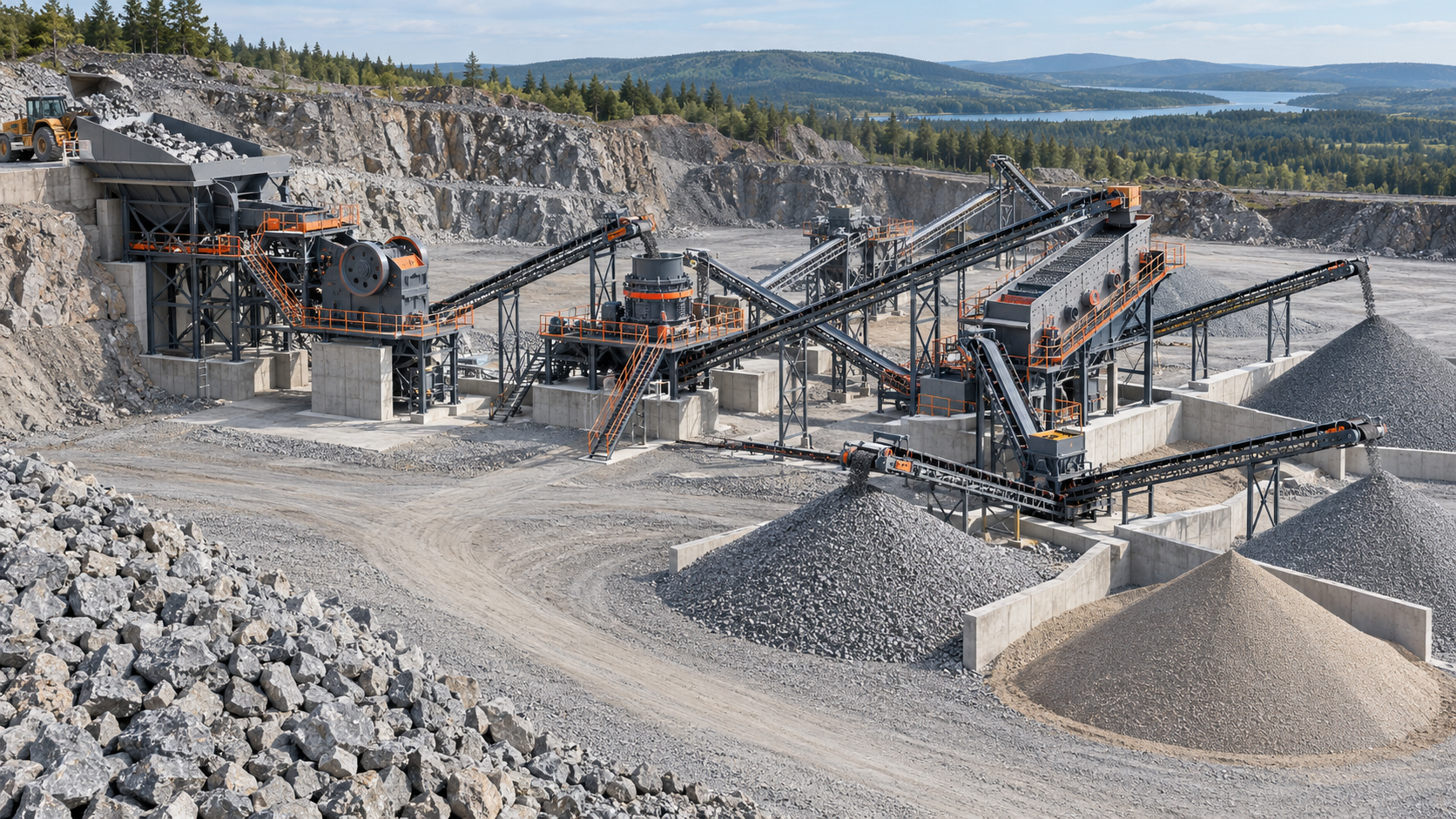
Plant Design
Prepare an Aggregate Plant Enquiry
Organize material data, feed grading, target capacity, finished-product sizes, utilities and site constraints.
Read guide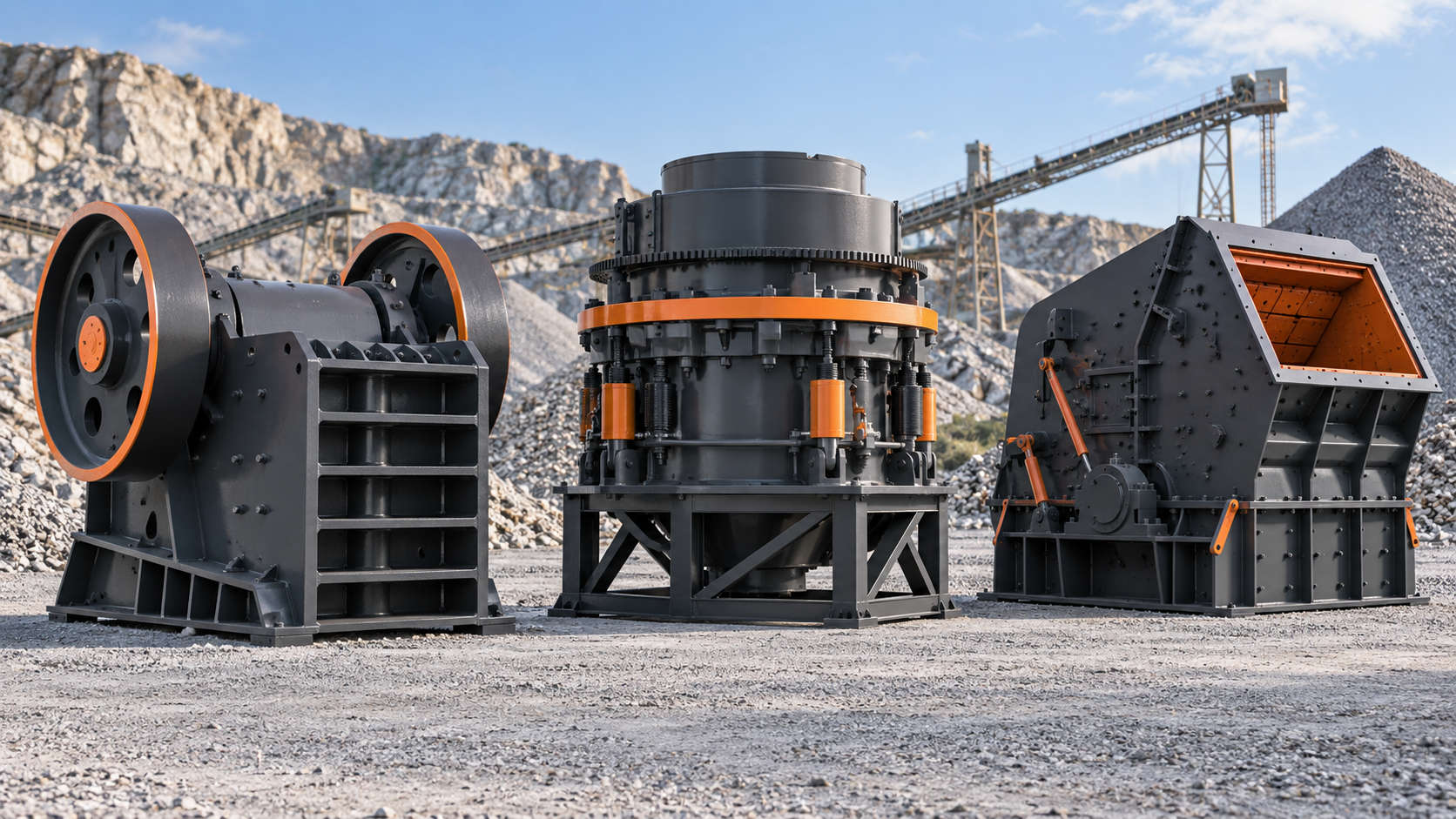
Equipment Comparison
Jaw, Cone or Impact Crusher?
Understand where each crusher fits and how material properties influence the primary, secondary and tertiary stages.
Read comparison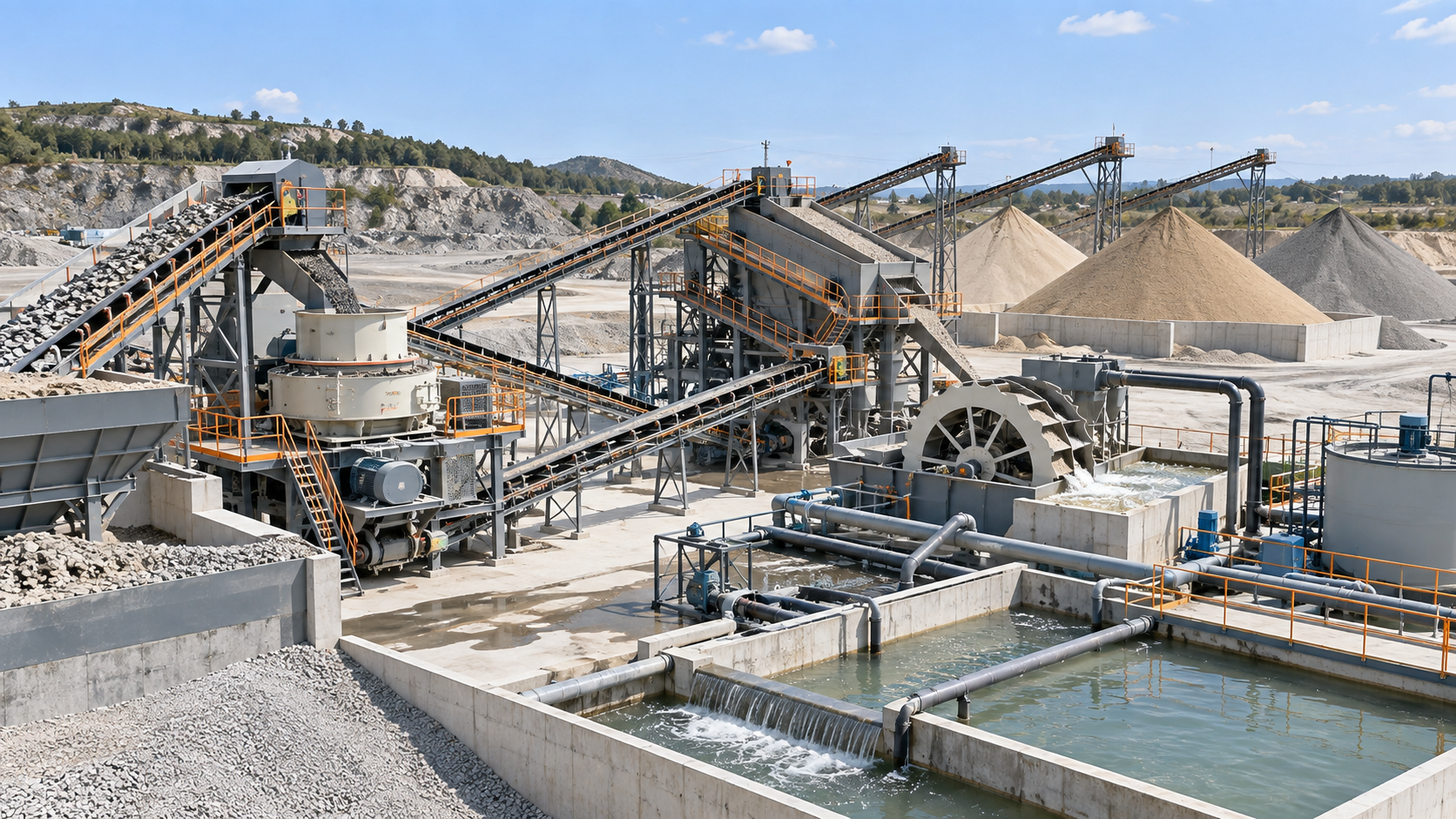
Sand Production
Plan a Manufactured-Sand Production Line
Define grading, fines, particle shape, washing demand and water-management requirements before equipment selection.
Read checklist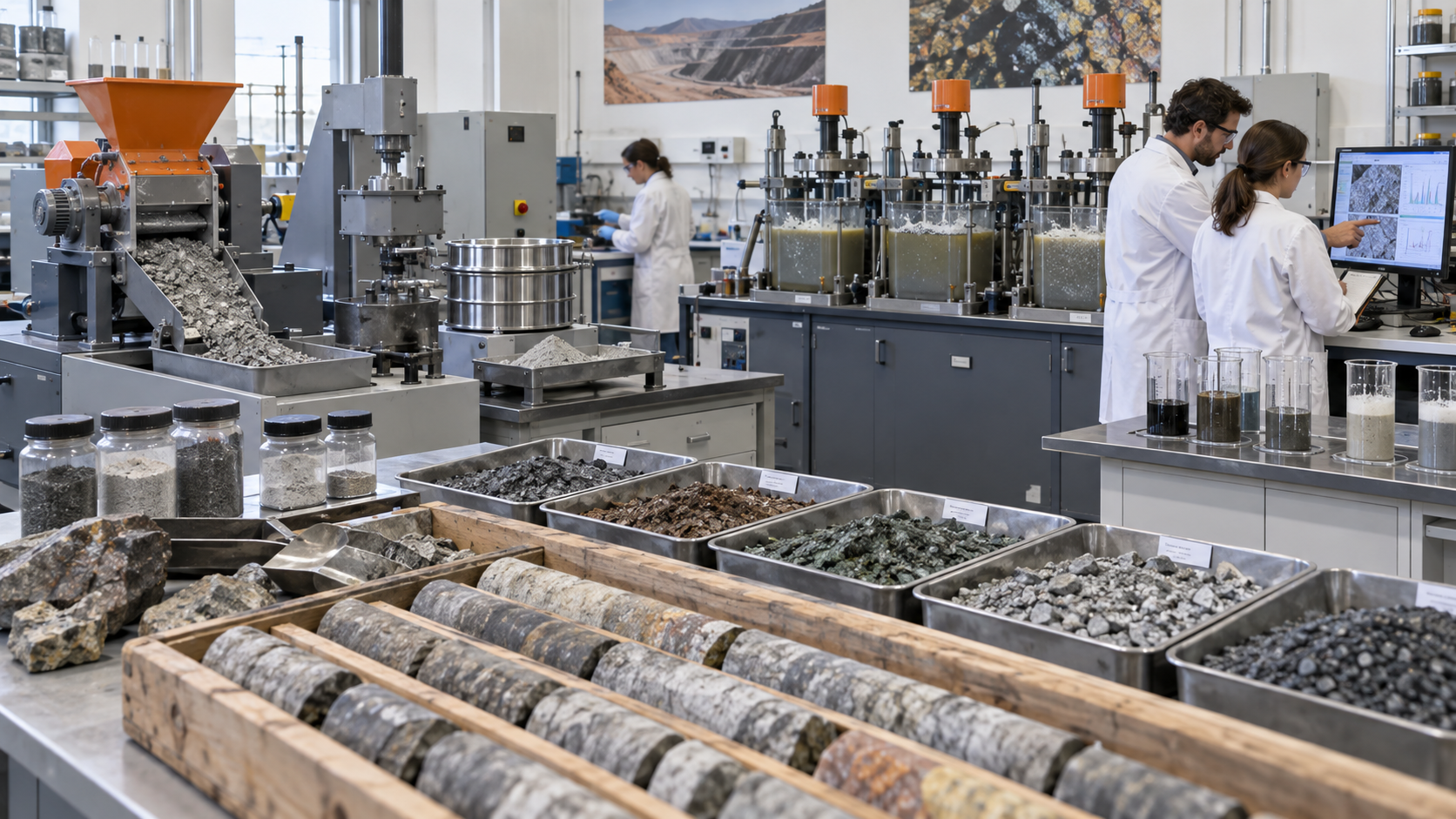
Mineral Processing
Prepare Ore Test Information
Collect mineralogy, head grade, liberation size, recovery targets and test results for a defensible process basis.
Read checklist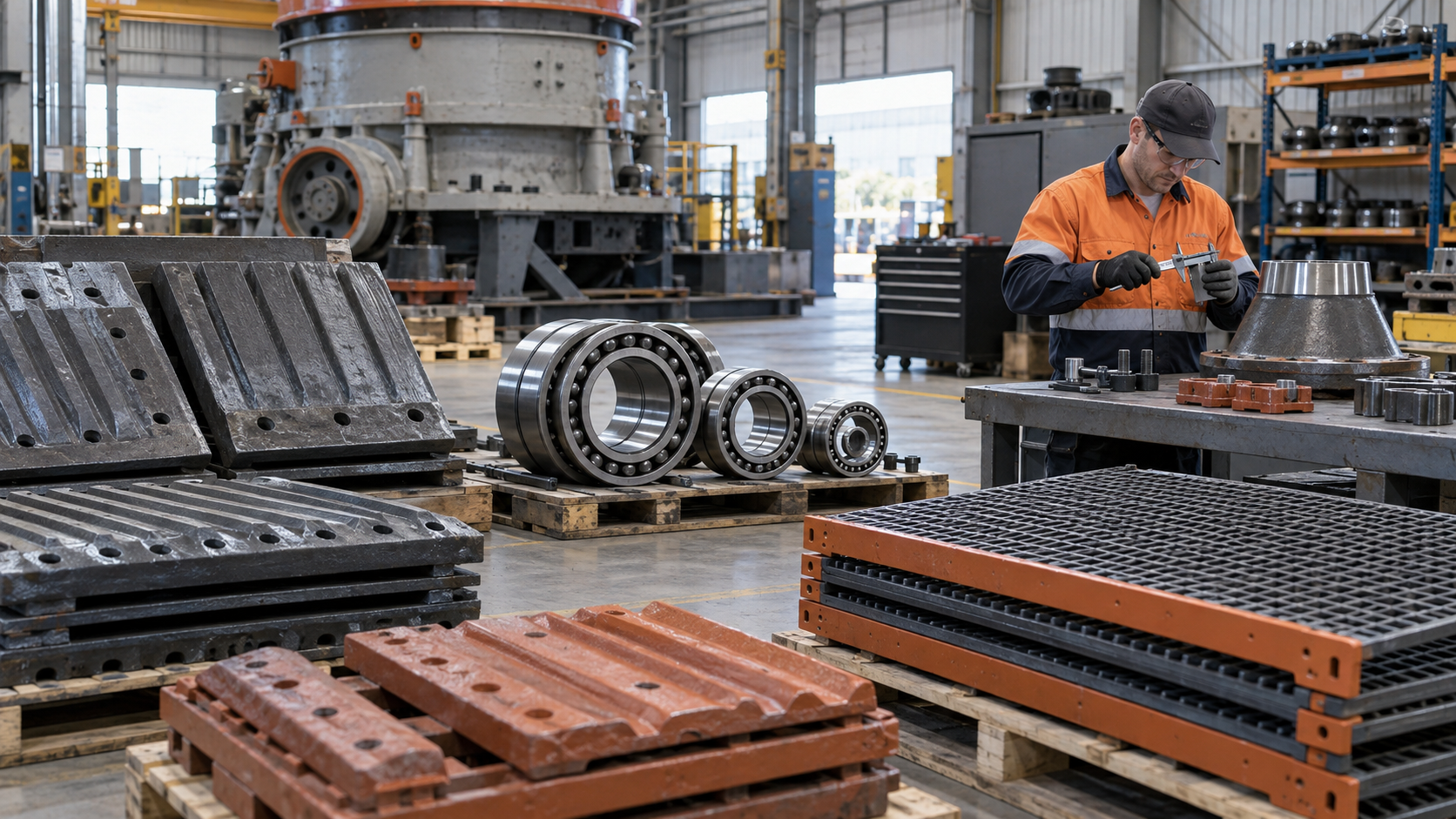
Service & Parts
Prepare a Spare-Parts Request
Confirm the machine model, serial number, part reference, dimensions, quantity and delivery requirements.
View support guideCore Technical Topics
Build the process around verified project data.
Hardness, abrasiveness, moisture, clay content and bulk density.
Normal throughput, peak load, top size and feed grading.
Required sizes, grading limits, shape and moisture targets.
Topography, access, power, water, climate and environmental controls.
Equipment boundaries, controls, installation, commissioning and spares.
From Knowledge to Configuration
Use the same technical basis when comparing proposals.
A useful proposal should state the feed assumptions, process route, equipment boundaries and performance conditions. Compare suppliers against the same project data rather than catalogue capacity alone.
Review project configurationsMaterial type, top size, grading, moisture and contaminants.
Capacity, product sizes, quality limits and intended use.
Utilities, climate, access, layout and local restrictions.
Equipment, auxiliaries, controls, services and exclusions.
Who This Knowledge Is For
Technical guidance for project decision-makers.
Quarry Operators
Plan aggregate capacity, grading and equipment stages.
Mining Companies
Prepare ore data and define test-dependent process requirements.
Contractors & EPC Teams
Clarify site interfaces, utilities and supply boundaries.
Distributors
Match customer requirements with suitable equipment routes.
Frequently Asked Questions
Using the Knowledge Center
These resources support early planning. Final equipment selection still requires confirmed material and site data.
What information should I prepare before requesting equipment?
Provide the material, maximum feed size, feed grading, moisture, target capacity, finished-product sizes, site location, power supply and any delivery or installation requirements.
Can a catalogue capacity be used as the final plant capacity?
No. Actual capacity depends on material properties, feed grading, reduction ratio, closed-circuit load, screen efficiency and the complete process arrangement.
How do I compare two equipment proposals?
Use the same feed and product assumptions, then compare the process route, equipment boundaries, installed power, wear basis, controls, services, exclusions and performance conditions.
When is material testing required?
Testing is recommended when mineral recovery, product quality, abrasiveness, moisture, clay content or other uncertain material behavior can materially change equipment selection.
Can HNLANGBO configure a complete production line?
Yes. HNLANGBO can propose crushing, screening, conveying, washing, grinding and mineral-processing stages according to the confirmed project scope.
Project Enquiry
Turn your project data into a practical equipment proposal.
Send your material information, target capacity, product requirements and site conditions for technical review.